




Vascular Model Manufacturer
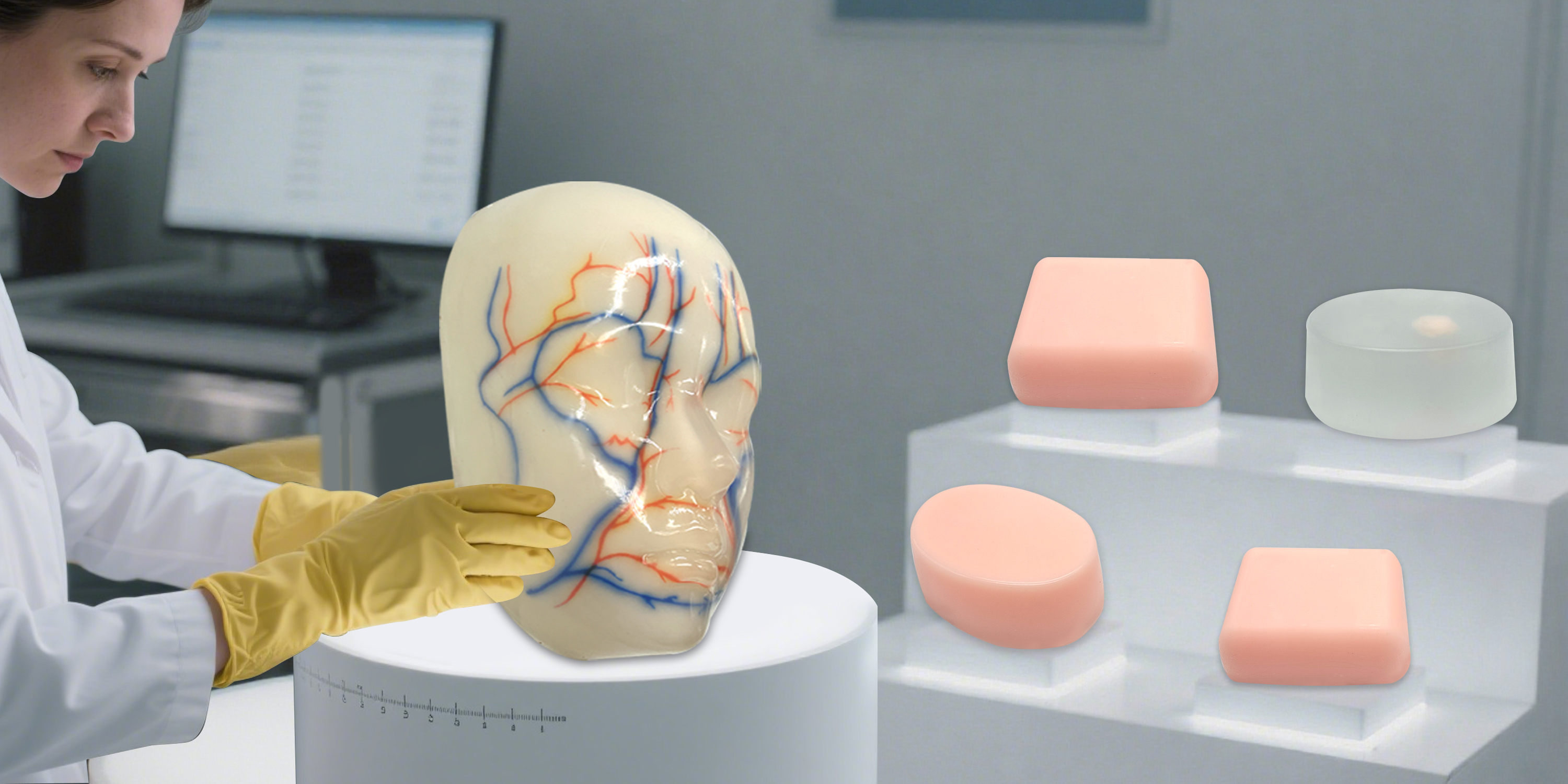
Why Choose Our Ultrasound Vascular Access Simulator?
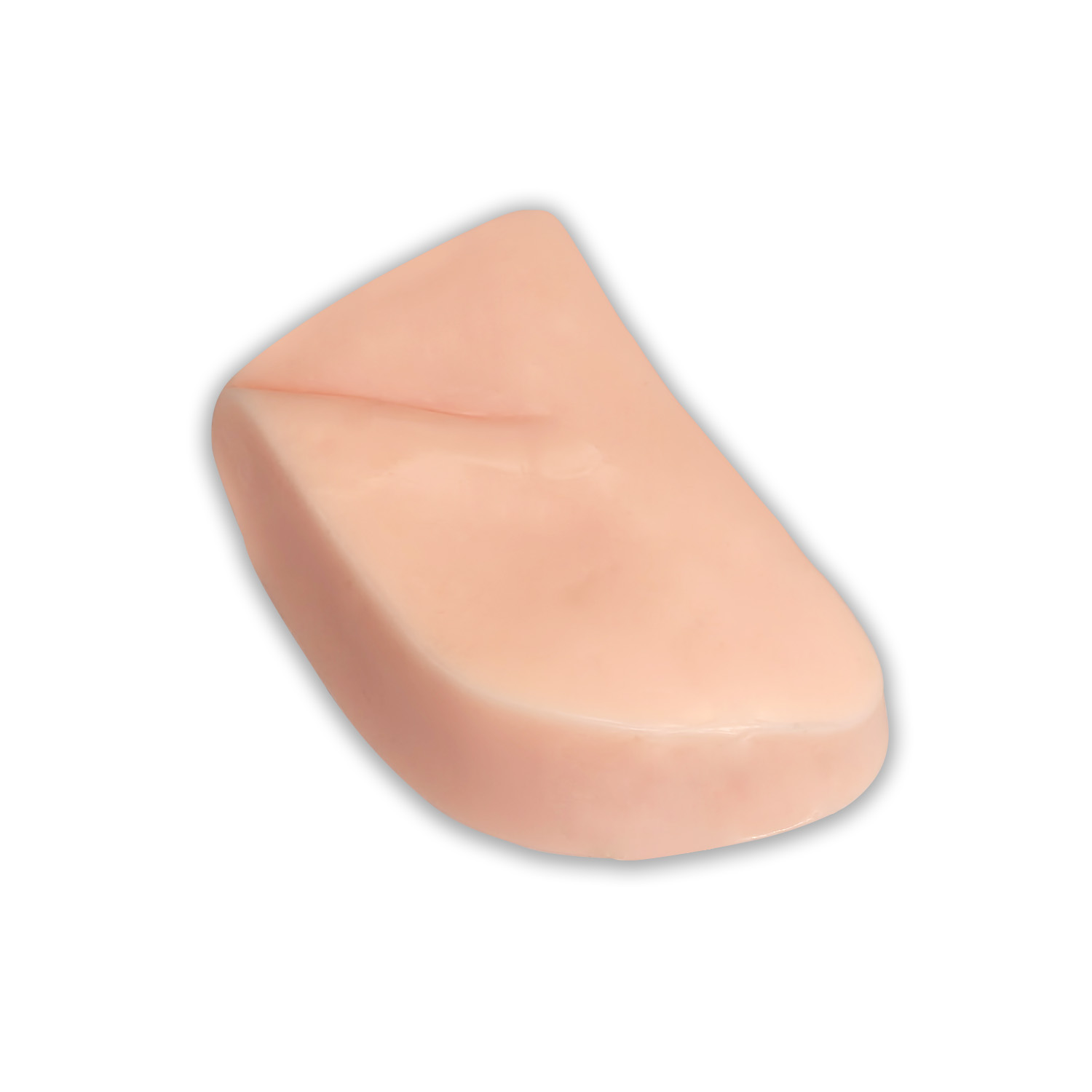
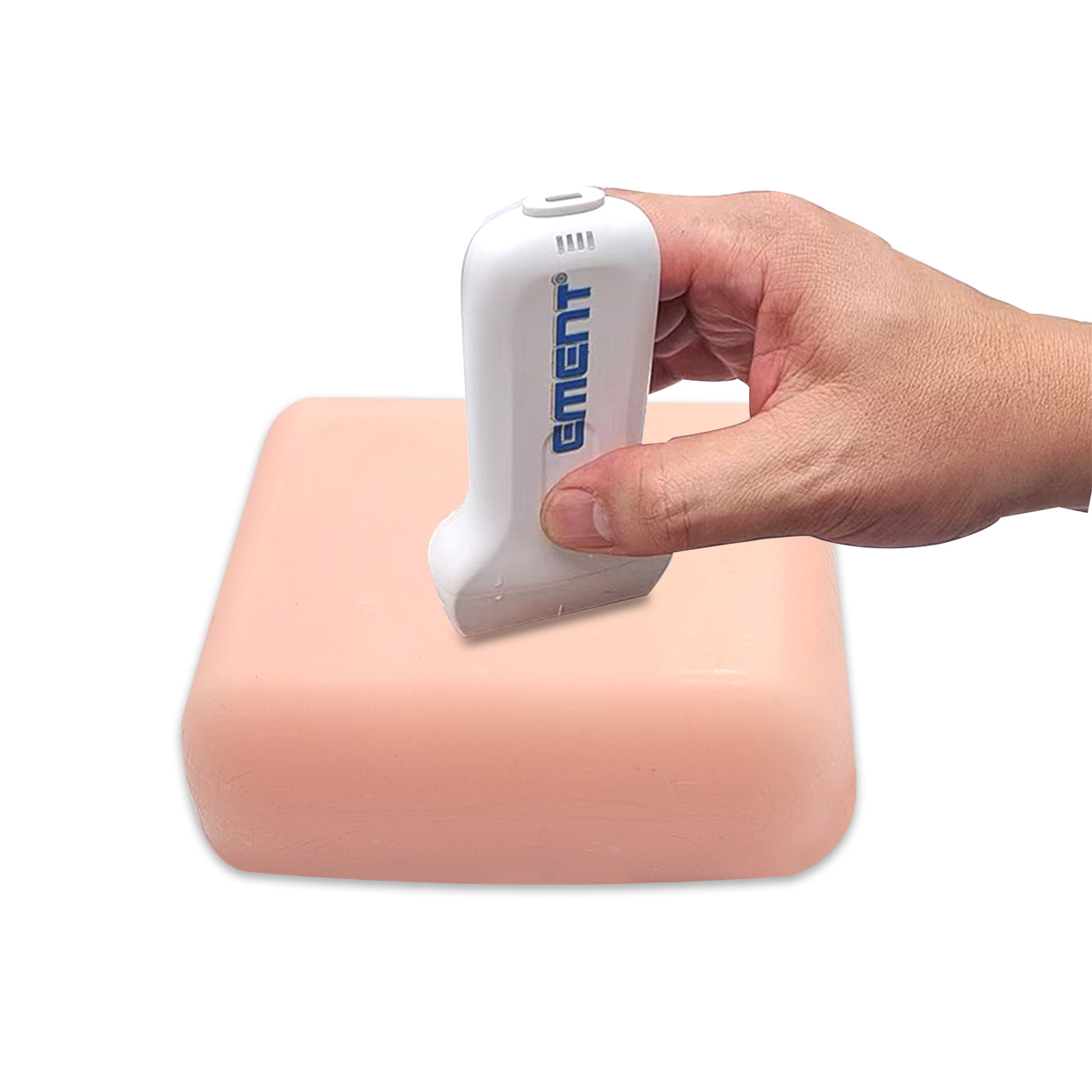
Choosing the right training model is key to mastering ultrasound-guided vascular puncture. Here’s why the Ultrasound Training Simulator stands out:
- Clear imaging and broad ultrasound machines compatibility
- High-quality silicone with soft, realistic texture
- Simulated blood flow for realistic practice
- Easy to clean, durable and long-lasting design
Reasons for Selection and Clinical Functions of Ultrasound-Guided Vascular Puncture
I. Core Reasons for Adopting Ultrasound-Guided Vascular Puncture
Compared with conventional blind vascular puncture, ultrasound-guided vascular puncture features real-time visualization, high precision and superior safety, making it the preferred approach for clinical vascular access. The core advantages are as follows:
- Real-time visualized operation eliminates drawbacks of blind puncture. Traditional puncture relies on clinicians’ tactile sensation, anatomical experience and superficial landmarks to locate blood vessels. For patients with obesity, edema, tiny vessels, vascular sclerosis, limited body position or repeated previous punctures, vessel mislocalization frequently occurs. Under ultrasound guidance, the course, diameter, wall thickness and blood flow of target vessels can be clearly displayed in real time. Meanwhile, blood vessels can be distinguished from adjacent nerves, tendons and adipose tissue, removing uncertainties in blind puncture and fundamentally solving the problem of inaccurate positioning.
- Improved puncture precision and significantly higher success rate. Ultrasound dynamically monitors the insertion angle, depth and trajectory of the puncture needle, guiding the needle tip into the vascular lumen accurately and avoiding needle deviation or posterior vessel wall penetration. For difficult puncture cases including critically ill patients, the elderly, patients with damaged vessels after long-term infusion and children with small-caliber vessels, the first-pass success rate can be greatly raised, reducing operational difficulties caused by repeated attempts.
- Minimal trauma, enhanced safety and lower risk of complications. Blind puncture may easily lead to vessel rupture, subcutaneous hematoma, nerve injury, accidental arterial puncture, tendon injury and local infection. Under ultrasound guidance, vital surrounding tissues and abnormal vessels can be precisely avoided to lessen mechanical damage to peripheral tissues, substantially lowering the incidence of hematoma, hemorrhage, nerve injury, pseudoaneurysm and other complications and maximally safeguarding patient safety during diagnosis and treatment.
- Wide applicability to diverse patient populations. It is not restricted by body habitus, vascular conditions or physical status. The procedure can be performed on ordinary patients, chronically ill patients with severely compromised vasculature, bedridden critically ill patients, and special populations with anatomical variations. It overcomes the limitations of conventional blind puncture and meets diverse clinical diagnostic and therapeutic demands.
- Alleviated patient pain and improved medical experience. High first-attempt success prevents pain, fear and psychological burden induced by multiple punctures. It also reduces local tissue injury, bruising and swelling from repeated needling, shortens procedural duration, and improves patient comfort and cooperation.
- II. Core Clinical Functions of Ultrasound-Guided Vascular Puncture
As a fundamental clinical procedure, ultrasound-guided vascular puncture provides essential vascular access for disease treatment, monitoring and examination. Its specific functions are listed below:
- Establish reliable venous access to support clinical infusion therapy. This is its primary basic function. By accurately puncturing superficial and deep veins to build peripheral and central venous access, long-term stable infusion pathways are provided for patients. It applies to long-term anti-infective therapy, nutritional support, chemotherapy administration, fluid resuscitation for critically ill patients and other scenarios. Repeated venipuncture can be avoided to guarantee smooth delivery of various medications and nutrient solutions, laying a foundation for disease management.
- Collect blood specimens accurately to assist clinical diagnosis. For patients with poor vascular access who cannot undergo routine blood collection, ultrasound-guided puncture of target vessels enables acquisition of sufficient, qualified blood samples for laboratory tests including routine blood test, biochemistry, coagulation profile and blood culture. It delivers reliable specimen evidence for disease screening, diagnosis and therapeutic efficacy evaluation, and prevents sampling failure and hemolysis.
- Facilitate endovascular interventional therapy and hemodynamic monitoring. Precise arterial and venous cannulation can be achieved for invasive hemodynamic monitoring to obtain real-time vital parameters such as arterial pressure and cardiac output. These data support condition assessment and therapeutic adjustment for critically ill patients. Moreover, it serves as the foundational technique for minimally invasive endovascular interventions such as angiography, thrombolysis and stent implantation for vascular diseases.
- Meet special therapeutic requirements. It supports targeted intravascular drug administration, local block therapy, creation of hemodialysis access and other specialized procedures. Accurate local treatment targeting lesions such as thrombosis and vasculitis improves treatment specificity and efficacy. Additionally, it enables rapid establishment of life-saving vascular access in emergency resuscitation, winning precious time for emergency medication, fluid infusion and blood transfusion and boosting the success rate of emergency treatment.
- Reduce clinical risks and optimize diagnostic and therapeutic workflows. Visualized puncture lowers complication rates, decreases the possibility of secondary treatment, shortens hospital stay, improves operational efficiency of medical staff and reduces waste of medical resources. Standardized and safe puncture further elevates overall clinical care quality.
Related Posts
Vascular Model Manufacturer
Jul 23, 2026